Reading Does Not Always Mean Understanding: Kazakhstan Develops a Tool to Assess Reading Literacy

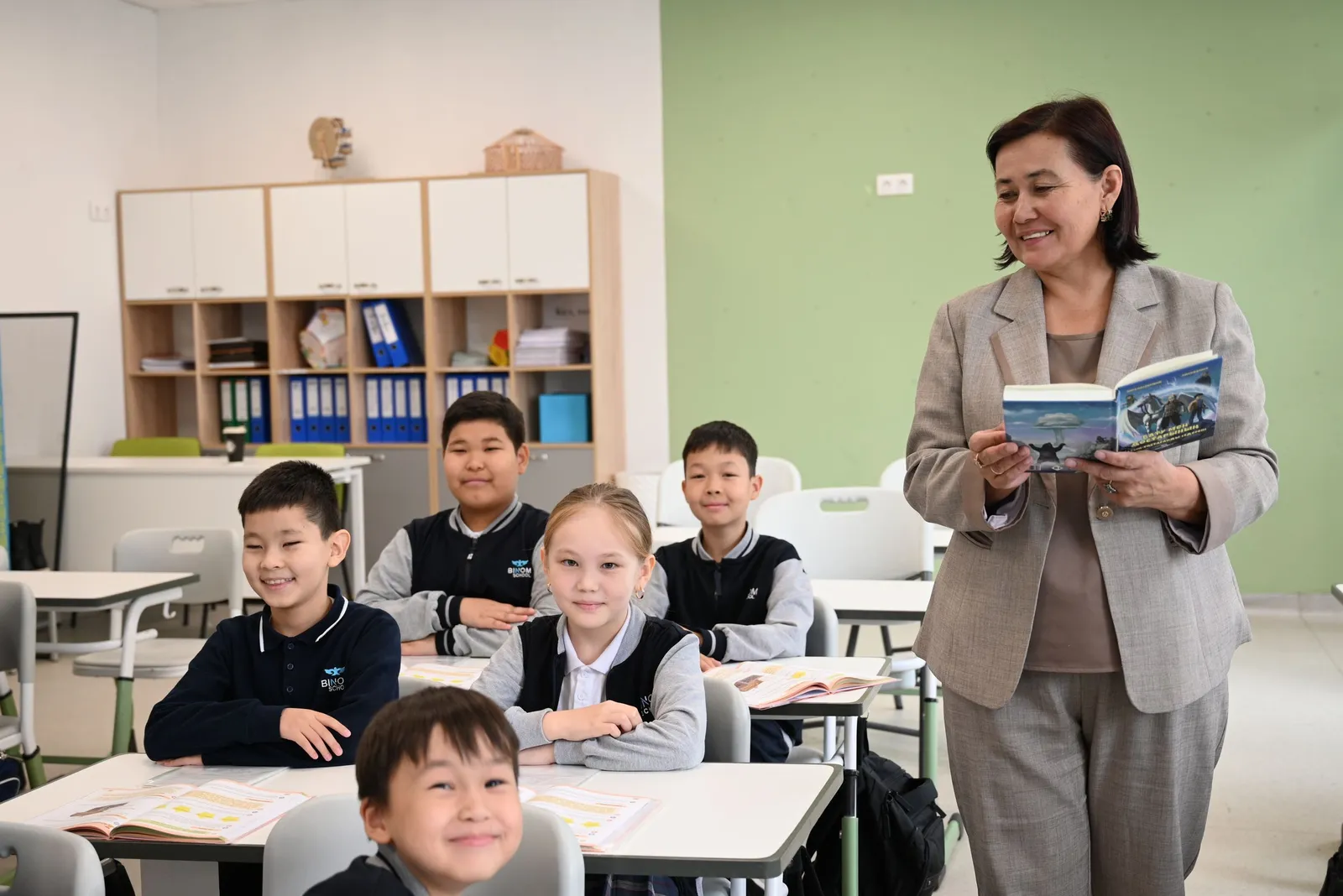
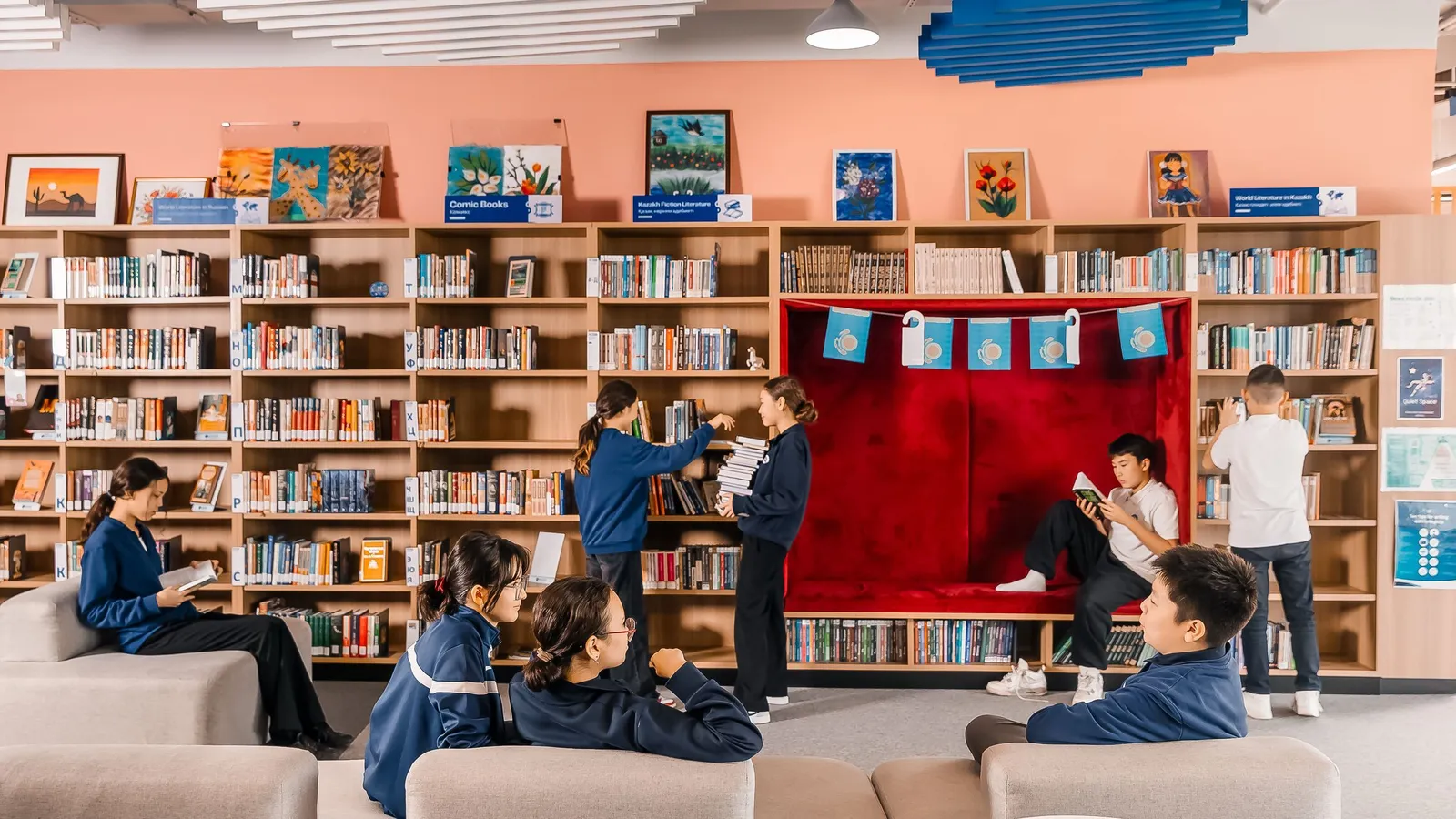


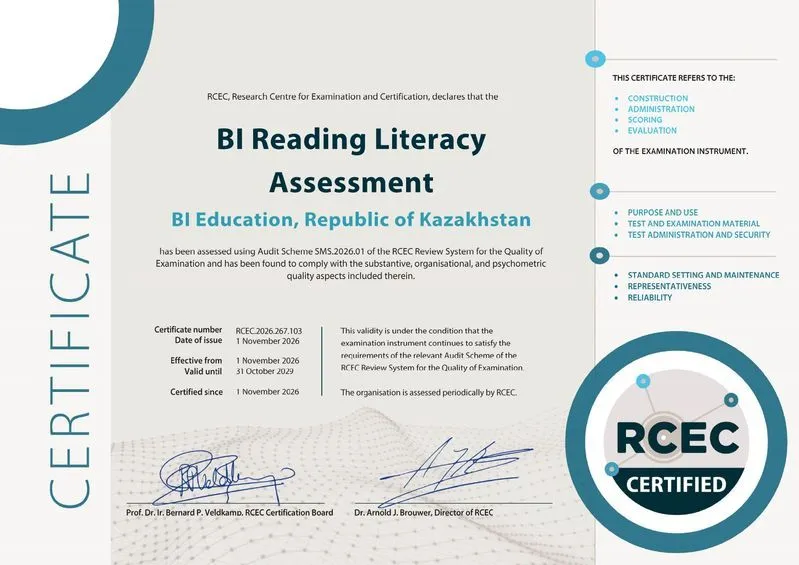
A child reads a text fluently but cannot explain what it is about. They reread a math problem several times and still ask, “What am I supposed to do here?” Many parents are familiar with this situation. To help identify such difficulties at an early stage, the BI Education team has developed a tool for assessing reading literacy. The Kazakhstan-developed solution has received international accreditation from the Netherlands-based RCEC research center.
The scale of the problem in Kazakhstan is confirmed by international studies. According to PISA 2025 results, Kazakhstan’s 15-year-old students scored 385 points in reading literacy, compared with the Organisation for Economic Co-operation and Development (OECD) average of 461 points. Only 36% of students reached the baseline proficiency level, compared with 69% across OECD countries. In other words, nearly two-thirds of Kazakhstan’s participants did not meet the minimum established level of reading proficiency.
These figures reflect specific challenges students face in their studies. Solving a math problem requires understanding what the question is asking. Learning a science topic involves comprehending explanations, comparing facts, and identifying connections. As a result, difficulties with reading comprehension can affect academic performance across multiple subjects.
Schools need to identify these challenges early and determine what kind of support each student requires. To address this need, BI Education, the educational division of BI Group, has developed the BI Reading Literacy Assessment.
The tool is designed for primary and lower secondary school students. It assesses several components of reading literacy, including locating information, understanding texts, interpreting what has been read, and drawing conclusions. This approach helps identify which skills students have already developed and which require further improvement.
The assessment was developed in accordance with the State Compulsory Education Standard of the Republic of Kazakhstan and contemporary international research-based assessment approaches. The development process included designing test items, conducting pilot assessments, and analyzing the results.
“Reading literacy is the foundation for all further learning. When students struggle to understand a text, these difficulties can become more pronounced as they encounter new subjects and increasingly complex assignments. That is why it is essential to identify challenges as early as possible and understand exactly where support is needed. The true value of assessment lies in using its results to identify the specific reading literacy skills that require additional attention and provide targeted support for their development. This helps children better understand what they read and approach their studies with greater confidence,” said Arailym Magzumova, Academic Director of BI Education LLP.
One of the key technological features of the BI Reading Literacy Assessment is the use of artificial intelligence to automate the evaluation and processing of students’ responses. This reduces assessment time, enables the processing of large volumes of data, and allows schools to receive diagnostic results promptly. The capability is particularly relevant for large schools operating in two shifts, where regular assessments require substantial resources.
The greatest value of the assessment lies in how its results are used. For students, it creates an opportunity to receive timely support. For teachers, it helps identify the underlying causes of learning difficulties more accurately and select appropriate exercises. For school administrators, the assessment provides a way to monitor changes in educational outcomes over time and evaluate the effectiveness of teaching approaches.
Common difficulties identified among students can also help schools determine which topics require greater attention in teaching methodology and professional development programs.
In the future, this approach could be scaled to public and private schools across Kazakhstan, enabling more teachers to incorporate assessment results into their everyday work. The more effectively schools help children understand what they read, the stronger the foundation for improving Kazakhstan’s performance in PISA.